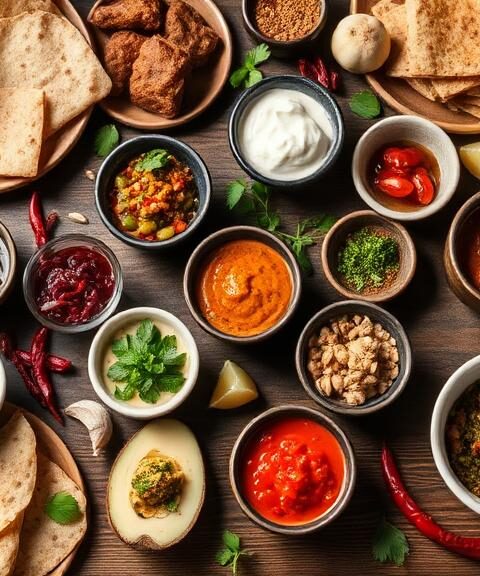
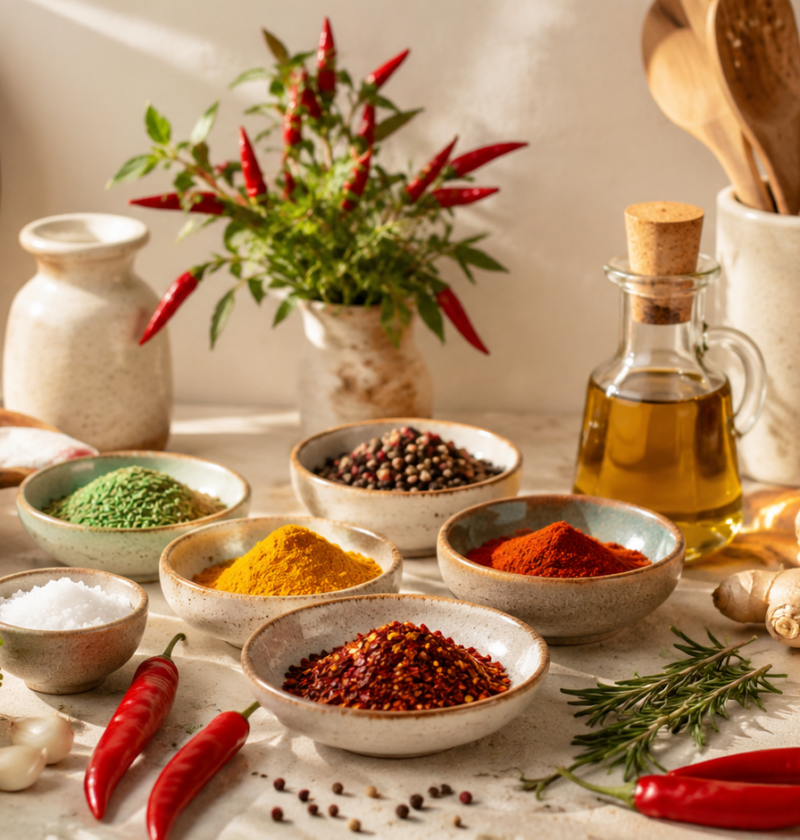
Global Flavor Foundations: How World Cuisines Build Better Taste – Every memorable dish begins with a strong flavor foundation. Before a recipe becomes a finished meal, cooks around the world rely on simple building blocks: aromatics, spices, herbs, fat, heat, acid, salt, and texture. These elements may look different from one cuisine to another, but they all serve the same purpose: creating depth, balance, and character in food.
For home cooks, understanding these foundations can make global recipes easier to approach. Instead of only following instructions step by step, you begin to understand why a dish tastes warm, bright, smoky, fresh, rich, or comforting. That knowledge helps you cook with more confidence, whether you are preparing a simple weeknight curry, a pasta sauce, a rice dish, a soup, or a street-food-inspired meal.
What Are Flavor Foundations?
A flavor foundation is the first layer of taste in a dish. It usually starts before the main ingredients are added. This may include onions cooked slowly in oil, garlic stirred into a pan, ginger blooming with spices, tomatoes simmering into a sauce, or herbs added at the end for freshness.
In many cuisines, flavor foundations are built through repetition and tradition. Italian cooking often begins with olive oil, garlic, onion, celery, or carrot. South Asian dishes may start with oil, whole spices, onion, ginger, garlic, and ground spices. Thai cooking often uses ingredients such as lemongrass, galangal, garlic, chilies, and herbs. Mexican dishes may rely on roasted chilies, tomatoes, onions, garlic, and toasted spices.
The ingredients vary, but the idea is universal: build flavor early so the final dish tastes complete.
Aromatics: The First Layer of Flavor
Aromatics are ingredients that release fragrance when chopped, crushed, cooked, or heated. Common aromatics include onion, garlic, ginger, celery, carrot, shallot, leek, chili, lemongrass, and herbs. These ingredients may not always stand out individually in the finished dish, but they shape the background flavor.
For example, garlic cooked gently in oil gives a mellow, savory base. Ginger adds warmth and brightness. Onion can become sweet and rich when cooked slowly. Fresh chilies bring heat and aroma, while lemongrass gives citrus-like freshness.
Many home cooks rush this step, but aromatics often need time. Cooking onions until soft, letting garlic become fragrant without burning, or allowing ginger to release its aroma can make a big difference. A strong flavor foundation is not always about using more ingredients; it is often about giving simple ingredients enough attention.
Spices and Herbs: Depth, Warmth, and Freshness
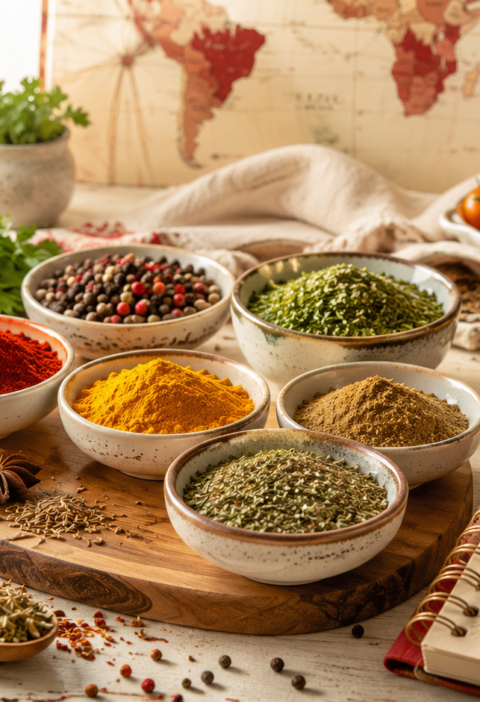
Spices and herbs are essential in global cooking, but they work best when used with purpose. Spices usually bring warmth, earthiness, sweetness, smokiness, or heat. Herbs often add freshness, brightness, and aroma.
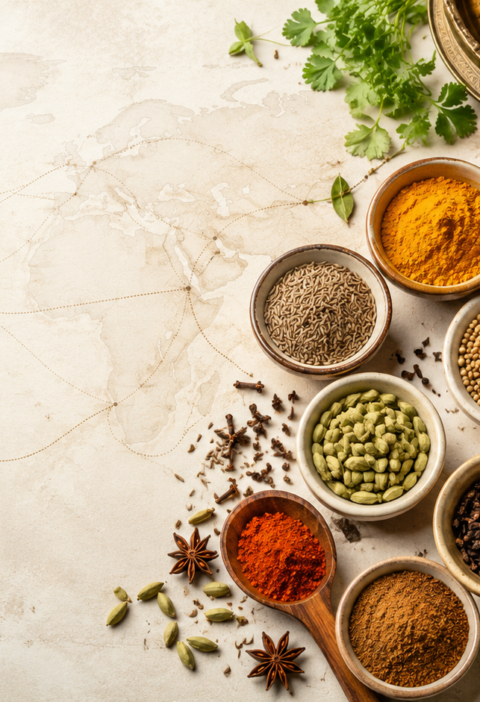
Some spices are added early so they can bloom in oil or fat. This helps release their aroma and gives the dish a deeper flavor. Ground cumin, coriander, paprika, turmeric, cinnamon, and chili powder are common examples. Whole spices such as cardamom, cloves, bay leaves, star anise, mustard seeds, and cumin seeds may be added at the beginning to perfume the cooking oil.
Fresh herbs are often added near the end because their flavor can fade with long cooking. Cilantro, basil, mint, parsley, dill, and green onions can brighten a dish just before serving.
If you want to explore how different spice combinations work across cuisines, this guide to global spice blends for home cooking is a helpful next read. Understanding spice blends makes it easier to recognize why certain flavors feel familiar in Moroccan tagines, Indian curries, Middle Eastern grills, Mexican sauces, or Southeast Asian soups.
Fat Carries Flavor
Fat is not only about richness. It also carries aroma and helps distribute flavor throughout a dish. Cooking oil, butter, ghee, coconut milk, olive oil, sesame oil, and animal fats all influence the final taste.
In Mediterranean cooking, olive oil often gives a fruity, smooth base. In South Asian cooking, mustard oil, ghee, or neutral oil may be used to bloom spices and deepen the flavor. In Southeast Asian cooking, coconut milk can soften heat and create a creamy body. In East Asian cooking, sesame oil may be added carefully for its nutty aroma.
The type of fat matters, but so does timing. Some fats are used for cooking from the beginning. Others, like extra virgin olive oil or toasted sesame oil, may be added near the end for aroma. Choosing the right fat can make a dish taste more connected to its culinary tradition.
Heat Builds Character
Heat changes ingredients. It can make onions sweeter, spices more fragrant, vegetables softer, meat more savory, and sauces more concentrated. Different cooking methods create different kinds of flavor.
Sautéing builds a quick aromatic base. Slow simmering allows flavors to blend. Roasting creates caramelized edges. Grilling adds smokiness. Frying can create crisp texture and deep flavor. Steaming keeps ingredients clean and delicate.
This is why the same ingredients can taste completely different depending on the cooking method. Garlic in a raw sauce tastes sharp. Garlic roasted slowly becomes sweet and mellow. Tomatoes in a fresh salsa taste bright, while tomatoes simmered into a sauce become rich and rounded.
Acid Balances Richness
Acid is one of the most important tools for balance. Lemon juice, lime juice, vinegar, tamarind, yogurt, tomatoes, pickles, and fermented ingredients can make a dish feel brighter and more complete.
A rich stew may taste heavy until it gets a squeeze of lemon. A grilled dish may become more exciting with a vinegar-based sauce. A spicy soup may feel more balanced with lime. A creamy dish may need yogurt or tomato to cut through the richness.
Acid should not overpower the dish. It should lift the flavor. In many recipes, a small amount added at the end can make the whole dish taste fresher.
Salt, Sweetness, and Bitterness
Good flavor is rarely one-dimensional. Salt enhances taste, sweetness softens sharpness, and bitterness can add sophistication when used carefully.
Salt is not only for making food salty. It helps ingredients taste more like themselves. A small amount can make tomatoes taste brighter, soups taste fuller, and vegetables taste more satisfying.
Sweetness may come from sugar, honey, fruit, coconut milk, caramelized onions, roasted vegetables, or sweet sauces. It can balance chili heat, sourness, or bitterness. Bitterness may come from greens, coffee, cocoa, charred vegetables, citrus peel, or certain spices. When balanced well, it gives depth.
The goal is not to make every dish salty, sweet, sour, bitter, and spicy at once. The goal is to notice what is missing and adjust gently.
Texture Makes Flavor More Enjoyable
Texture affects how we experience flavor. A dish with only one texture can feel flat, even if the seasoning is good. Crunchy toppings, soft grains, creamy sauces, crisp vegetables, tender meat, toasted nuts, fried shallots, fresh herbs, or pickled garnishes can make food more interesting.
Street food around the world often shows this clearly. A taco may combine soft tortilla, juicy filling, crisp onion, fresh herbs, and a bright salsa. A bowl of noodles may include broth, chewy noodles, tender protein, crunchy vegetables, and chili oil. A rice dish may feel complete with fried onions, herbs, yogurt, or pickles.
Texture does not need to be complicated. Even a simple garnish can change how a dish feels.
Examples of Flavor Foundations Around the World
Global cooking traditions often have recognizable starting points. These are not strict rules, but they help home cooks understand how flavor develops.
Italian Soffritto
Italian soffritto often uses onion, carrot, and celery cooked slowly in olive oil. It creates a sweet, savory base for sauces, soups, stews, and braised dishes.
French Mirepoix
Mirepoix is commonly made with onion, carrot, and celery. It is often used in stocks, soups, sauces, and slow-cooked dishes to add gentle depth.
South Asian Masala Base
Many South Asian dishes begin with oil or ghee, onions, ginger, garlic, spices, and sometimes tomatoes. This base creates warmth, richness, and complexity before the main ingredients are added.
Thai Curry Paste
Thai curry pastes may include chilies, lemongrass, galangal, garlic, shallots, herbs, and spices. When cooked with fat and liquid, they create a fragrant foundation for curries and soups.
Mexican Salsa and Chili Bases
Mexican cooking often uses roasted tomatoes, chilies, garlic, onion, herbs, and spices. Toasting or roasting can add smokiness and depth before ingredients are blended or simmered.
Middle Eastern Aromatic Blends
Many Middle Eastern dishes use garlic, onion, olive oil, herbs, citrus, yogurt, sesame, and spices such as cumin, coriander, cinnamon, sumac, or allspice. These ingredients create dishes that feel warm, bright, and aromatic.
Common Mistakes When Building Flavor
One common mistake is adding spices too late without giving them time to release aroma. Another is cooking garlic over very high heat until it burns, which can make a dish taste bitter. Some cooks also forget acid at the end, leaving rich dishes tasting heavy.
Another mistake is using too many strong ingredients at once. More spices do not always mean better flavor. A simple dish with good timing, balance, and fresh ingredients can taste better than a crowded dish with too many competing flavors.
It also helps to taste as you cook. Recipes are useful guides, but ingredients vary. Tomatoes may be sweeter or more acidic. Chilies may be mild or very hot. Herbs may be delicate or strong. Tasting allows you to adjust gradually.
How to Build Better Flavor at Home
Start with one cuisine or cooking style you enjoy. Learn its common aromatics, spices, fats, and finishing touches. Notice how the recipe begins, when spices are added, how long the sauce cooks, and what is added at the end.
Then practice with simple dishes. Make a soup, curry, rice dish, pasta sauce, stew, or stir-fry. Pay attention to the first ten minutes of cooking because that is often where the flavor foundation forms.
Finally, finish with balance. Ask yourself: does the dish need salt, freshness, acid, heat, richness, or texture? Small adjustments can make a home-cooked dish taste more thoughtful and complete.
Final Thoughts
Global flavor foundations show that great cooking is not only about rare ingredients or complicated techniques. It is about understanding how simple elements work together. Aromatics create the first layer. Spices and herbs add identity. Fat carries aroma. Heat develops character. Acid brings balance. Texture makes every bite more enjoyable.
Once you understand these foundations, worldwide recipes become easier to explore. You can follow traditions with more respect, adapt recipes with more confidence, and create food that feels balanced, flavorful, and satisfying.
FAQ
What is a flavor foundation in cooking?
A flavor foundation is the base layer of taste created before the main ingredients are fully cooked. It often includes aromatics, spices, herbs, fat, and cooking techniques that shape the final flavor of a dish.
Why are aromatics important in global recipes?
Aromatics such as onion, garlic, ginger, celery, chili, and herbs add fragrance and depth. They help create the background flavor that makes a dish taste complete.
Should spices be added early or late in cooking?
It depends on the spice and the recipe. Many ground and whole spices are added early so they can bloom in oil or fat. Fresh herbs and delicate spices are often added near the end to preserve aroma.
How can I make a dish taste more balanced?
Taste the dish and adjust gently. It may need salt, acid, freshness, sweetness, heat, richness, or texture. A squeeze of lemon, a pinch of salt, fresh herbs, or a crunchy topping can often improve balance.
Can I use the same flavor foundation for different cuisines?
You can learn from different foundations, but each cuisine has its own ingredients and traditions. It is better to understand the role of each element, then adapt carefully while respecting the style of the dish.