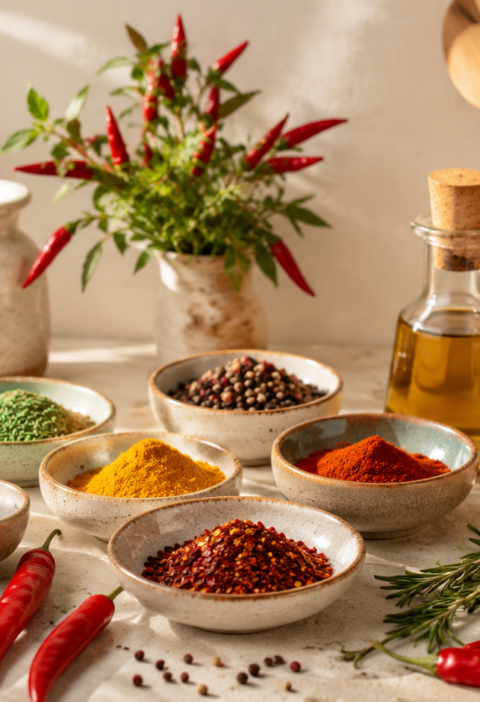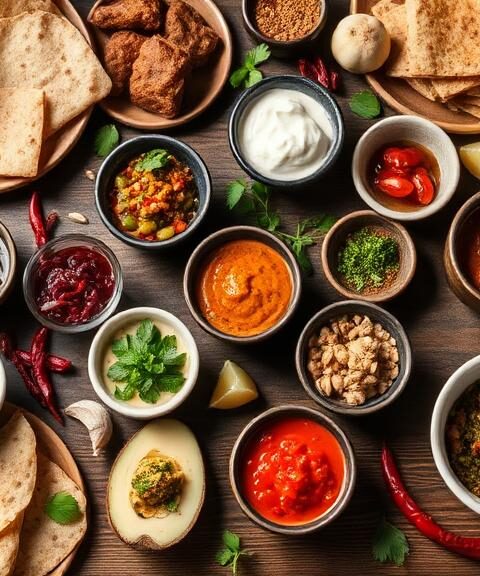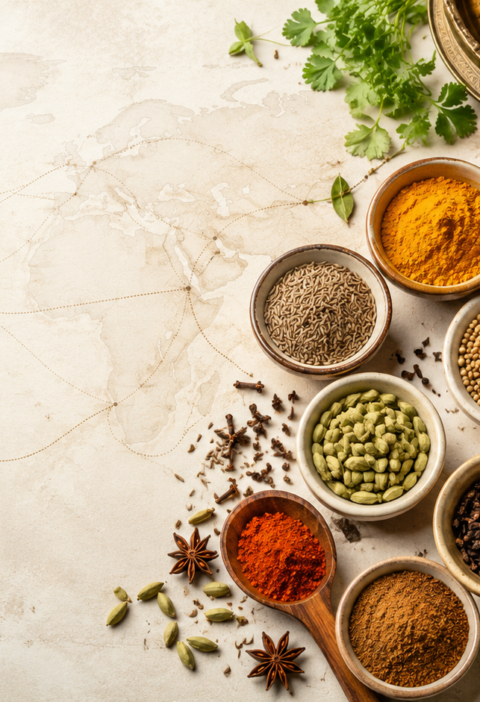
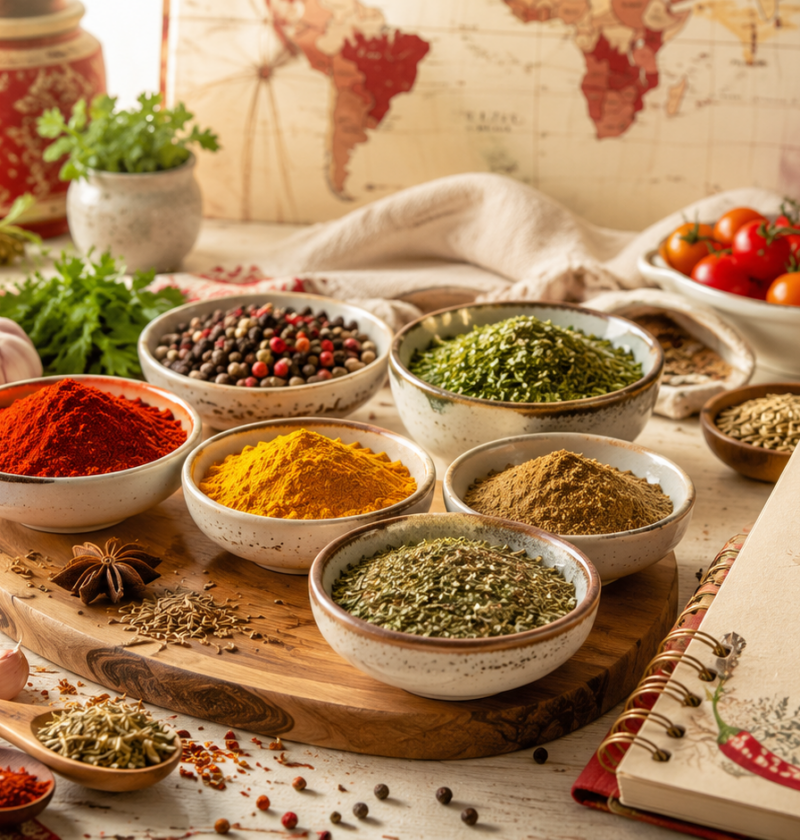
Spice blends are one of the easiest ways to bring depth, aroma, and character into everyday cooking. Across the world, home cooks and street food vendors use carefully balanced mixtures of spices to create dishes that feel warm, layered, and memorable. From South Asian garam masala to Middle Eastern za’atar and North African ras el hanout, every blend carries a story of place, tradition, and flavor.
For anyone who enjoys worldwide recipes, learning how spice blends work can make home cooking more confident and creative. You do not need a professional kitchen or rare ingredients to start. With a few basic spices, a sense of balance, and simple cooking techniques, you can build better flavor in soups, rice dishes, grilled vegetables, curries, roasted meats, and even snacks.
What Is a Spice Blend?
A spice blend is a mixture of two or more spices, herbs, seeds, or dried aromatics combined to create a specific flavor profile. Some blends are earthy and smoky, while others are bright, floral, warm, or spicy. The goal is not simply to add heat. A good spice blend adds balance, aroma, and identity to a dish.
For example, cumin can bring earthiness, coriander can add citrus-like freshness, cinnamon can give warmth, and chili can add heat. When these ingredients are combined thoughtfully, they create a flavor that feels more complete than any single spice on its own.
Why Spice Blends Matter in Global Cooking
Spice blends are important because they help define regional cooking styles. A rice dish, stew, grilled skewer, or flatbread can taste completely different depending on the spice blend used. This is one reason why spices have played such a major role in culinary travel and global food culture.
South Asian cooking, for example, often uses layered spices to build flavor gradually. If you want to explore that foundation more deeply, Food Heaven BD has a helpful guide on how South Asian spices shaped global cuisine. That article explains how ingredients such as turmeric, cumin, cardamom, and cinnamon became part of food traditions far beyond their original regions.
Understanding spice blends also helps home cooks recreate flavors from different parts of the world without copying recipes blindly. Once you know what each spice contributes, you can adjust a dish based on what you have in your kitchen.
Popular Spice Blends Around the World
1. Garam Masala
Garam masala is commonly associated with South Asian cooking. It usually includes warming spices such as cumin, coriander, cardamom, cinnamon, cloves, and black pepper. The exact mix can vary by household and region. Garam masala is often added near the end of cooking to preserve its aroma.
It works well in lentil dishes, vegetable curries, chicken recipes, rice, and slow-cooked stews. Because it is aromatic rather than only spicy, a small amount can make a dish feel richer and more comforting.
2. Za’atar
Za’atar is a beloved Middle Eastern blend often made with dried herbs, sesame seeds, and sumac. It has a tangy, nutty, and herbal character. It is commonly sprinkled over flatbread, yogurt, roasted vegetables, eggs, or olive oil dips.
This blend is especially useful for quick meals because it does not always need long cooking. A little za’atar over warm bread or roasted potatoes can add instant flavor.
3. Ras el Hanout
Ras el hanout is a North African spice blend known for its complex and fragrant profile. It may include spices such as cinnamon, cumin, coriander, ginger, turmeric, paprika, and other aromatics depending on the maker.
It is often used in tagines, couscous dishes, roasted vegetables, lamb, chicken, and chickpea-based meals. Its warm and slightly sweet profile makes it excellent for slow-cooked recipes.
4. Chinese Five-Spice
Chinese five-spice is typically built around sweet, warm, and aromatic flavors. Common ingredients include star anise, cloves, cinnamon, Sichuan peppercorn, and fennel seed. The blend is powerful, so it is usually used in small amounts.
It pairs well with roasted meats, stir-fries, marinades, braised dishes, and even some savory snacks. Its flavor is bold, so balance is important.
5. Cajun Seasoning
Cajun seasoning is often linked with Louisiana-style cooking. It usually combines paprika, garlic powder, onion powder, black pepper, cayenne, oregano, and thyme. It is bold, savory, and often mildly spicy to hot depending on the mix.
This blend is useful for grilled seafood, chicken, potatoes, rice dishes, soups, and roasted vegetables. It brings a lively flavor that works well in casual home cooking.
How to Build a Balanced Spice Blend at Home
Making your own spice blend is simple once you understand balance. A strong blend usually includes a few different flavor roles:
- Earthy spices: cumin, coriander, turmeric, fenugreek
- Warm spices: cinnamon, cloves, cardamom, nutmeg
- Heat: chili powder, cayenne, black pepper
- Herbal notes: oregano, thyme, dried mint, dried parsley
- Brightness: sumac, dried lemon peel, amchur powder
- Savory depth: garlic powder, onion powder, mustard seed
A beginner-friendly approach is to start with three to five ingredients instead of mixing too many spices at once. For example, a simple everyday blend can include cumin, coriander, paprika, black pepper, and garlic powder. This combination works well with vegetables, chicken, beans, rice, and soups.
Toasting Spices for Better Aroma
One of the best ways to improve a spice blend is to toast whole spices before grinding them. Toasting helps release natural oils and makes the aroma stronger. To do this, place whole spices in a dry pan over low to medium heat and stir gently until they smell fragrant. Let them cool before grinding.
Be careful not to burn them. Burnt spices can taste bitter and may overpower the dish. If you are using pre-ground spices, you can still warm them briefly in oil at the start of cooking, but they need less time than whole spices.
When to Add Spice Blends During Cooking
The timing depends on the type of dish and the blend. Some spice blends are best cooked early with oil, onions, garlic, or ginger. This helps the flavors bloom and spread throughout the dish. Curry-style recipes, stews, soups, and rice dishes often benefit from this method.
Other blends are better added near the end. Garam masala, za’atar, and some herb-heavy blends can lose their delicate aroma if cooked too long. Sprinkling them at the end can keep the flavor fresh and noticeable.
How to Store Spice Blends Properly
Spice blends should be stored in airtight containers away from heat, sunlight, and moisture. A cool cabinet is usually better than keeping them near the stove. Ground spices gradually lose aroma over time, so it is better to make smaller batches that you can use within a reasonable period.
Labeling your jars with the blend name and date can also help. This small habit makes your kitchen feel more organized and helps you remember which blends are freshest.
Simple Homemade Global Spice Blend
If you want a flexible blend that works across many everyday recipes, try this simple mix:
- 2 teaspoons ground cumin
- 2 teaspoons ground coriander
- 1 teaspoon paprika
- 1 teaspoon garlic powder
- 1/2 teaspoon black pepper
- 1/2 teaspoon cinnamon
- Optional: 1/4 teaspoon chili powder for mild heat
Mix everything in a clean, dry bowl and store it in an airtight jar. Use it on roasted vegetables, lentils, grilled chicken, chickpeas, rice, or soups. This blend is warm, savory, and gentle enough for many types of dishes.
Common Mistakes to Avoid
One common mistake is using too much spice at once. More spice does not always mean better flavor. Start with a small amount, taste as you cook, and adjust slowly.
Another mistake is using old spices that have lost their aroma. If a spice smells flat, it will probably taste flat too. Freshness matters, especially in simple recipes where spices are the main source of flavor.
It is also important not to treat every spice blend the same way. A bold Cajun-style seasoning and a delicate herb-based za’atar do not behave the same in a dish. Understanding the character of each blend helps you use it more naturally.
Final Thoughts
Spice blends are a simple but powerful way to explore global cuisine from your own kitchen. They connect everyday cooking with culinary traditions from South Asia, the Middle East, North Africa, China, the Americas, and beyond. By learning how spices work together, you can create meals that feel more aromatic, balanced, and satisfying.
Whether you are preparing a quick weeknight dinner or experimenting with a new worldwide recipe, a well-made spice blend can turn basic ingredients into something memorable. Start small, taste often, and let each blend teach you something about the food culture behind it.
FAQ
1. What is the difference between a spice and a spice blend?
A spice is a single ingredient, such as cumin, cinnamon, or black pepper. A spice blend combines several spices or herbs to create a more complete flavor profile.
2. Can I make spice blends without whole spices?
Yes. Ground spices are convenient and easy to use. Whole spices often have stronger aroma when freshly toasted and ground, but ground spices are perfectly useful for everyday cooking.
3. How much spice blend should I use in a recipe?
Start with a small amount, such as half a teaspoon to one teaspoon for a basic home-cooked dish, then adjust by taste. The right amount depends on the recipe, serving size, and strength of the blend.
4. Are spice blends always spicy?
No. Many spice blends are aromatic, earthy, tangy, or warm without being hot. Heat usually comes from chili, cayenne, or pepper, and those ingredients can often be adjusted.
5. What is the best spice blend for beginners?
A simple blend of cumin, coriander, paprika, garlic powder, and black pepper is a good starting point. It is flexible, easy to understand, and works with many everyday dishes.