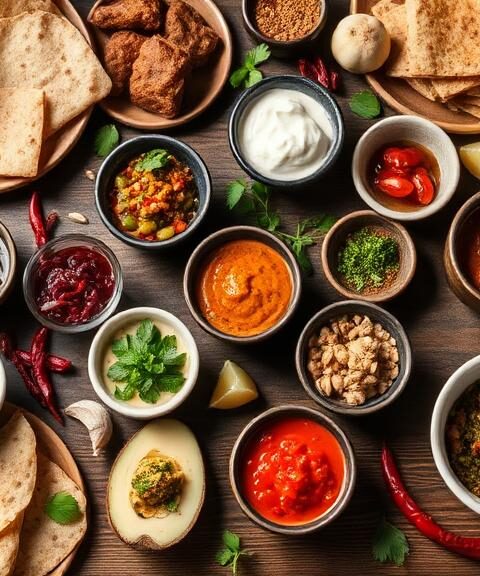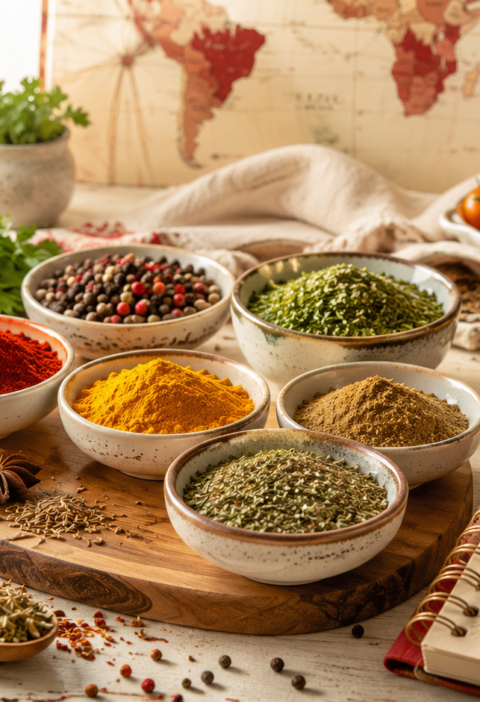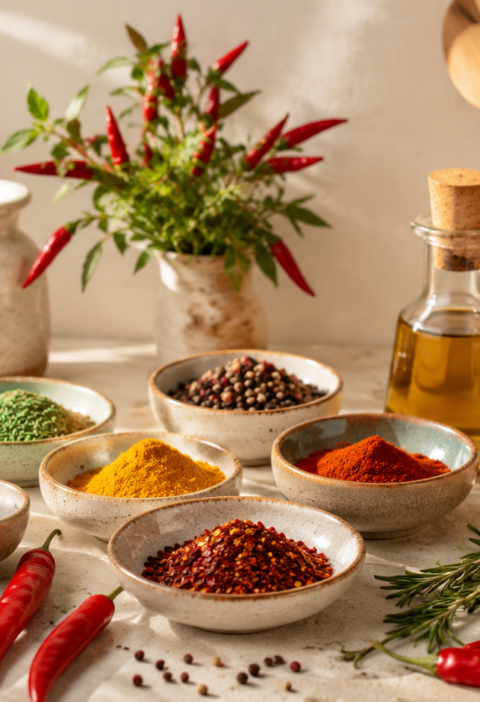
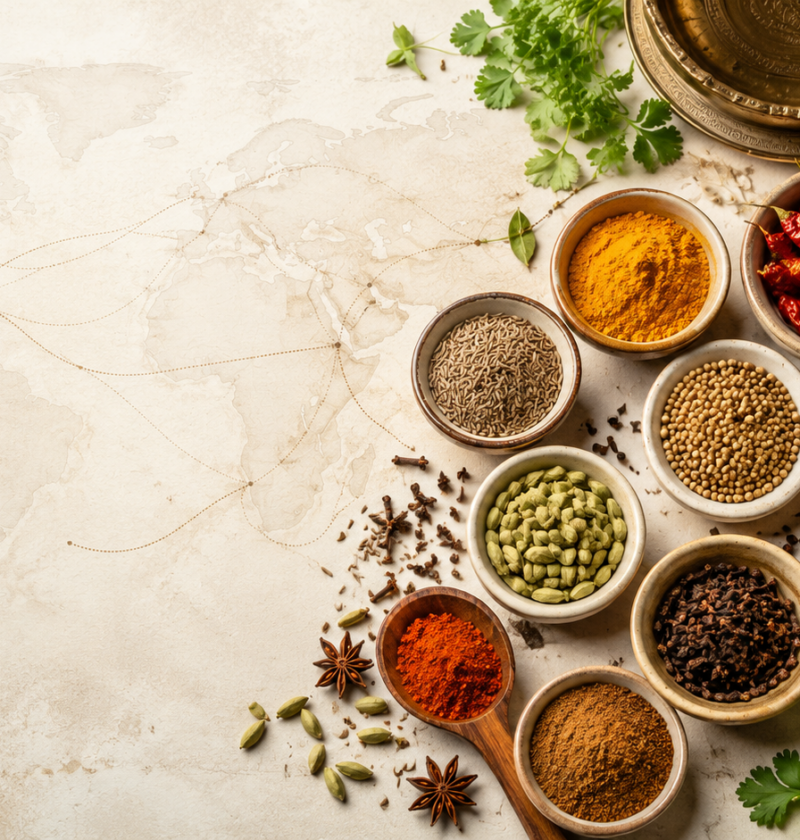
South Asian spices are more than colorful ingredients stored in kitchen jars. They are storytellers. Every pinch of turmeric, cumin, coriander, chili, cinnamon, or cardamom carries centuries of trade, migration, culture, and culinary creativity. From busy street food stalls in Dhaka to elegant restaurants in London, from home kitchens in Mumbai to fusion cafés in New York, South Asian spices have traveled across borders and transformed the way the world experiences food.
The magic of South Asian cooking lies not only in heat or intensity, but in balance. A dish may be warm, earthy, smoky, sweet, sharp, and fragrant all at once. This layered style of seasoning has inspired chefs, home cooks, food travelers, and recipe lovers everywhere. Today, spices that once defined regional dishes are now essential parts of global cuisine.
The Soul of South Asian Flavor
South Asia is home to some of the world’s most beloved food traditions. Bangladesh, India, Pakistan, Sri Lanka, Nepal, and surrounding regions each have their own cooking styles, but they share a deep respect for spices. In these kitchens, spices are not simply added at the end for flavor. They are often toasted, ground, fried in oil, blended into pastes, or simmered slowly to create depth.
This is why South Asian food feels so expressive. A basic lentil dish can become comforting and aromatic with cumin, garlic, turmeric, and dried chili. A simple chicken curry can become rich and memorable through cardamom, cinnamon, bay leaves, ginger, coriander, and garam masala. Even snacks and street foods are often lifted by spice blends that create a perfect mix of tang, heat, and fragrance.
Spices are the foundation of the region’s culinary identity. They bring warmth to family meals, character to festive dishes, and unforgettable aroma to street food markets.
The Ancient Spice Routes That Connected the World
Long before modern restaurants and recipe blogs, spices were among the world’s most valuable goods. South Asian spices moved through ancient trade routes by land and sea, reaching the Middle East, Africa, Europe, and Southeast Asia. Merchants carried cinnamon, pepper, cardamom, cloves, turmeric, and other precious ingredients across oceans and deserts.
These spices did more than add flavor. They changed economies, inspired exploration, and influenced food cultures around the world. European kitchens began using cinnamon and pepper in meats, breads, and desserts. Middle Eastern cooking embraced fragrant spice combinations. Southeast Asian dishes absorbed spice techniques and blended them with local herbs, coconut, and seafood.
The global appetite for spices helped create culinary connections that still exist today. Many modern dishes outside South Asia carry the influence of these historic spice journeys.
Turmeric: The Golden Ingredient
Turmeric is one of the most recognizable South Asian spices. Its bright golden color instantly transforms rice, curries, soups, marinades, and vegetable dishes. In South Asian kitchens, turmeric is valued for its earthy flavor and warm appearance.
Across the world, turmeric has become a popular ingredient in wellness drinks, golden milk, roasted vegetables, sauces, and modern café menus. What was once a daily household spice in South Asia is now a global culinary trend.
But turmeric’s real beauty is its simplicity. It does not need to dominate a dish. A small amount can bring color, warmth, and subtle bitterness that balances richer ingredients. In Bangladeshi and Indian cooking, it often forms the base of fish curry, lentils, meat dishes, and vegetable preparations.
Cumin and Coriander: The Everyday Power Duo
Cumin and coriander are two of the most important spices in South Asian cooking. Cumin has a warm, nutty, slightly smoky flavor, while coriander brings a citrusy and gentle sweetness. Together, they form the backbone of countless curries, marinades, soups, and spice blends.
In many kitchens, cumin seeds are toasted in oil at the beginning of cooking. This technique releases aroma and gives the dish a deeper flavor. Ground coriander is often added later to create body and balance.
These two spices have also become common in global cooking. Mexican, Middle Eastern, Mediterranean, and African cuisines all use cumin in different ways. Coriander appears in spice rubs, stews, roasted meats, and vegetarian dishes. Their popularity shows how South Asian spice logic has blended naturally with worldwide recipes.
Cardamom, Cinnamon, and Cloves: Fragrance That Travels
Some spices are bold and earthy. Others are elegant and aromatic. Cardamom, cinnamon, and cloves belong to the second group. They add perfume, sweetness, and warmth to both savory and sweet dishes.
In South Asian cuisine, cardamom may appear in biryani, tea, desserts, rice pudding, and festive dishes. Cinnamon adds depth to meat curries and pulao. Cloves bring intensity to spice blends and slow-cooked meals. Together, these spices create the signature fragrance often associated with royal dishes, celebrations, and traditional hospitality.
Globally, these ingredients have become essential in baking, desserts, coffee drinks, holiday recipes, and luxury spice blends. Cinnamon rolls, spiced tea, chai lattes, mulled drinks, and aromatic rice dishes all reflect the long journey of these spices.
Chili: Heat, Color, and Character
Chili may not have originated in South Asia, but it became deeply woven into the region’s food culture after its arrival. Today, it is difficult to imagine South Asian cuisine without green chilies, dried red chilies, chili powder, or chili flakes.
In Bangladesh, chili often adds sharpness to fish curry, bhorta, lentils, and street snacks. In India and Pakistan, it appears in curries, chutneys, pickles, kebabs, and masala blends. Sri Lankan cuisine is also known for its powerful use of chili, especially in sambols and seafood dishes.
Around the world, South Asian chili-based dishes have influenced how people enjoy spicy food. Curry houses, street food trucks, and fusion restaurants now use chili heat to create excitement and depth.
Masala: The Art of Blending Spices
One of the greatest contributions of South Asian cooking is the art of masala. The word “masala” refers to a spice mixture, and every household may have its own version. Some masalas are dry blends, while others are wet pastes made with onion, garlic, ginger, chilies, and spices.
Garam masala, curry powder, chaat masala, biryani masala, tandoori masala, and panch phoron are just a few examples. Each blend serves a different purpose. Some are warming and rich. Others are tangy, smoky, or refreshing.
This concept has changed global cuisine. Many chefs now think beyond single spices and use layered spice blends to create complexity. From roasted vegetables to grilled meats, from soups to plant-based bowls, masala-inspired seasoning has entered modern cooking in a powerful way.
South Asian Spices in Street Food Culture
Street food is one of the best ways to understand the impact of South Asian spices. Walk through a food market in Dhaka, Kolkata, Lahore, Delhi, or Colombo, and the air is filled with aromas of frying snacks, sizzling kebabs, spiced tea, roasted nuts, and tangy chutneys.
Popular dishes such as samosas, pakoras, chaat, kebabs, biryani, rolls, and spicy fried snacks rely heavily on spice combinations. The flavors are bold, fast, and memorable. Street food shows spices at their most playful and energetic.
This street food culture has inspired global food trends. South Asian-style wraps, curry bowls, spiced fried chicken, masala fries, chai drinks, and fusion snacks now appear in cafés and food trucks across the world.
How South Asian Spices Changed Western Kitchens
In many Western countries, South Asian spices first became popular through curry houses and immigrant communities. Over time, dishes like chicken tikka masala, biryani, dal, vindaloo, korma, and samosas became familiar comfort foods.
Today, the influence is even wider. Home cooks use turmeric in soups, cumin in roasted vegetables, garam masala in marinades, and cardamom in desserts. Restaurants use South Asian spices to create modern fusion dishes, such as masala burgers, curry pasta, spiced tacos, and chai-flavored cakes.
This transformation shows that spices are not limited by geography. When used thoughtfully, they can adapt to many ingredients and cooking styles.
The Role of Bangladesh in the Spice Story
Bangladeshi cuisine has its own beautiful place in the South Asian spice tradition. Known for flavorful rice dishes, fish curries, lentils, bhorta, pickles, and street snacks, Bangladeshi food uses spices with balance and emotion.
Mustard seeds, turmeric, chili, cumin, coriander, garlic, ginger, and panch phoron are common in many dishes. Fish is especially important, and spices are used to enhance its natural flavor rather than hide it. A well-made Bangladeshi fish curry can be light, spicy, tangy, and deeply comforting.
For Food Heaven BD, this connection is especially meaningful. South Asian spices are not just a topic of world food history; they are part of everyday cooking, family memory, and local culinary pride.
Why These Spices Still Matter Today
South Asian spices continue to matter because they offer more than taste. They bring identity, creativity, and connection. They allow simple ingredients to become exciting meals. They help cooks build layers of flavor without relying only on heavy sauces or expensive ingredients.
In modern global cuisine, people are increasingly interested in authentic flavors, food history, plant-based cooking, and culinary travel. South Asian spices fit perfectly into these trends. They make vegetarian dishes more satisfying, grilled foods more aromatic, and comfort meals more memorable.
Whether used in a traditional curry or a modern fusion recipe, these spices continue to inspire.
Tips for Cooking with South Asian Spices
To get the best flavor from South Asian spices, start with freshness. Old spices lose aroma quickly, so it is better to buy smaller amounts and store them in airtight containers away from heat and sunlight.
Toasting whole spices before grinding can create a deeper flavor. Frying spices gently in oil can also unlock their aroma. However, spices can burn quickly, so moderate heat is important.
Balance is the key. Not every dish needs every spice. A simple combination of turmeric, cumin, coriander, chili, garlic, and ginger can already create a beautiful base. Once you understand the role of each spice, you can begin creating your own blends.
Conclusion
The journey of South Asian spices is a journey of flavor, culture, and connection. These spices traveled through ancient trade routes, shaped regional identities, and transformed global cuisine. From turmeric’s golden warmth to cardamom’s sweet fragrance, from cumin’s earthy depth to chili’s fiery personality, each spice has left a lasting mark on the world.
Today, South Asian spices continue to inspire chefs, travelers, bloggers, and home cooks everywhere. They remind us that food is never just food. It is history, memory, creativity, and culture served on a plate.
For anyone who loves worldwide recipes and culinary travel, exploring South Asian spices is one of the most delicious ways to understand how local flavors can become global treasures.
FAQ Section for SEO
What are the most important South Asian spices?
Some of the most important South Asian spices include turmeric, cumin, coriander, cardamom, cinnamon, cloves, mustard seeds, black pepper, fennel, fenugreek, and chili.
Why are South Asian spices popular worldwide?
South Asian spices are popular because they create deep, layered flavors. They can make simple dishes aromatic, colorful, and memorable, which makes them useful in many global cuisines.
What is masala in South Asian cooking?
Masala means a spice blend or seasoned mixture. It can be dry or wet and is used to build flavor in curries, rice dishes, snacks, marinades, and street food.
How did South Asian spices influence global cuisine?
South Asian spices spread through trade, migration, and cultural exchange. They influenced recipes in Europe, the Middle East, Africa, Southeast Asia, and modern fusion cooking.
Which South Asian spice is best for beginners?
Cumin is a great beginner-friendly spice because it is easy to use, aromatic, and works well with vegetables, rice, lentils, soups, meats, and marinades.